Prikazani su postovi s oznakom nutritional. Prikaži sve postove

četvrtak, 18. travnja 2024.

The Risks of Overdoing It: Exploring the Dangers of Excessive Supplement Use


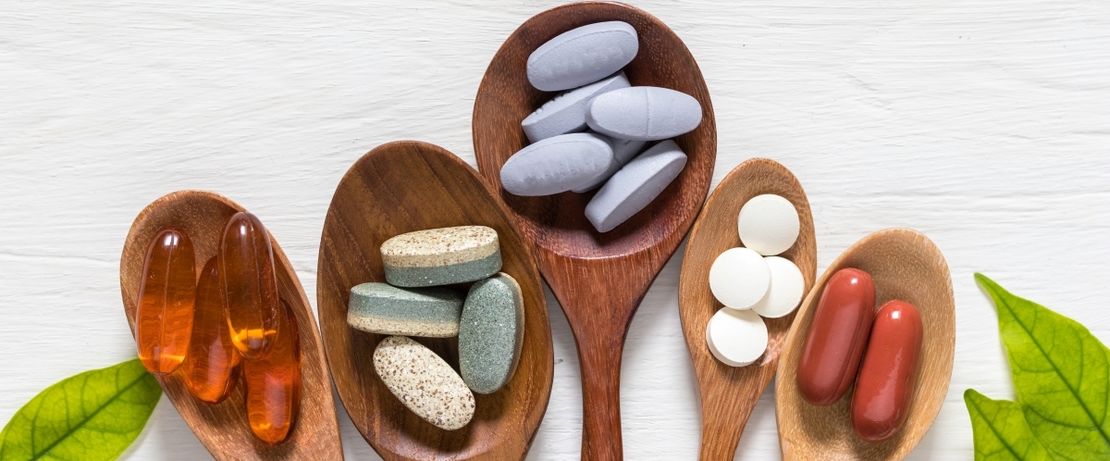
In recent years, the popularity of dietary supplements has surged as more people seek ways to support their health and well-being. From vitamins and minerals to herbal extracts and protein powders, supplements offer a convenient way to fill nutritional gaps and enhance performance. However, taking too much of popular supplements can pose serious health risks. Let's delve into the topic and explore the potential dangers of excessive supplement use.

1. Nutrient Overload:

While certain vitamins and minerals are essential for optimal health, consuming them in excess can lead to nutrient overload. Fat-soluble vitamins like vitamin A, D, E, and K are stored in the body's fat tissues and can accumulate to toxic levels when consumed in large amounts over time. Similarly, excessive intake of water-soluble vitamins like vitamin C and B vitamins can overwhelm the body's capacity to metabolize and excrete them, leading to imbalances and adverse effects.

2. Potential Toxicity:

Many popular supplements contain ingredients that can be harmful when taken in excessive doses. For example, high doses of certain herbal supplements, such as kava kava or yohimbe, can cause liver damage or cardiovascular problems. Similarly, excessive intake of minerals like iron or calcium can lead to gastrointestinal distress, kidney stones, or even organ damage. It's essential to follow recommended dosage guidelines and consult healthcare professionals before starting any new supplement regimen.

3. Interactions with Medications:

Supplements can interact with prescription medications and other supplements, leading to potential complications and adverse effects. For example, certain herbal supplements may interfere with the metabolism of medications, reducing their effectiveness or increasing the risk of side effects. Additionally, combining multiple supplements that contain the same active ingredients can result in overdose and toxicity. Always disclose all supplements and medications you're taking to your healthcare provider to avoid harmful interactions.

4. Misleading Labeling and Contamination:

Not all supplements are created equal, and some may contain impurities, contaminants, or misleading labeling. The lack of regulation in the supplement industry means that products may vary in quality and safety. Some supplements may contain undisclosed ingredients, incorrect dosages, or harmful contaminants like heavy metals or pesticides. It's essential to purchase supplements from reputable manufacturers that adhere to strict quality control standards and third-party testing.

5. Individual Variability:

Individual responses to supplements can vary widely based on factors such as age, sex, genetics, underlying health conditions, and medication use. What works for one person may not be suitable for another, and some individuals may be more susceptible to adverse effects from certain supplements. It's crucial to listen to your body and pay attention to any signs of discomfort or adverse reactions when taking supplements. If you experience any concerning symptoms, discontinue use and consult a healthcare professional.

Conclusion:

While dietary supplements can play a valuable role in supporting health and well-being, taking too much of healthcare professional can be dangerous. Nutrient overload, potential toxicity, interactions with medications, misleading labeling, and individual variability are all factors to consider when using supplements. To minimize risks and maximize benefits, it's essential to follow recommended dosage guidelines, choose supplements from reputable manufacturers, and consult healthcare professionals before starting any new supplement regimen.

četvrtak, 8. rujna 2016.

The MIND Diet May Help Prevent Alzheimer’s


Want another great reason to eat healthy? The food choices you make daily might lower your odds of getting Alzheimer’s disease, some scientists say.
Researchers have found that people who stuck to a diet that included foods like berries, leafy greens, and fish had a major drop in their risk for the memory-sapping disorder, which affects more than 5 million Americans over age 65.

The eating plan is called the MIND diet. Here’s how it works.

Brain-Friendly Foods

MIND stands for Mediterranean-DASH Intervention for Neurodegenerative Delay. It’s similar to two other healthy meal plans: the DASH diet and the Mediterranean diet.

ut the MIND approach “specifically includes foods and nutrients that medical literature and data show to be good for the brain, such as berries,” says Martha Clare Morris, ScD, director of nutrition and nutritional epidemiology at Rush University Medical Center.

You eat things from these 10 food groups:
    Green leafy vegetables (like spinach and salad greens): At least six servings a week
    Other vegetables: At least one a day
    Nuts: Five servings a week
    Berries: Two or more servings a week
    Beans: At least three servings a week
    Whole grains: Three or more servings a day
    Fish: Once a week
    Poultry (like chicken or turkey): Two times a week
    Olive oil: Use it as your main cooking oil.
    Wine: One glass a day

You avoid:

    Red meat: Less than four servings a week
    Butter and margarine: Less than a tablespoon daily
    Cheese: Less than one serving a week
    Pastries and sweets: Less than five servings a week
    Fried or fast food: Less than one serving a week

The Benefits


One study showed that people who stuck to the MIND diet lowered their risk of Alzheimer’s disease by 54%. That’s big. But maybe even more importantly, researchers found that adults who followed the diet only part of the time still cut their risk of the disease by about 35%.

On the other hand, people who followed the DASH and Mediterranean diets “moderately” had almost no drop in their Alzheimer’s risk, Morris says.

Scientists need to do more research on the MIND approach, “but it’s a very promising start. It shows that what you eat can make an impact on whether you develop late-onset Alzheimer’s,” which is the most common form of the disease, says Cecilia Rokusek, a registered dietitian at Nova Southeastern University.

Should You Follow the MIND Diet?


Even if you don’t have a family history of Alzheimer’s disease or other risk factors, you may still want to try this eating plan. It focuses on nutritious whole foods, so “it’s not just good for your brain. It’s good your heart and overall health, too,” says Majid Fotuhi, MD, PhD. He is the chairman and CEO of the Memosyn Neurology Institute.

One of the best things about the plan is that you don’t have to stick to it perfectly to see benefits, Rokusek says. “That makes it more likely you’ll follow it for a long time,” she says. And the longer people eat the MIND way, the lower their risk of getting Alzheimer’s disease, Morris says.

If you do decide to make your diet more MIND-like, Rokusek recommends you take a few extra steps. “Keep your portions in check, and be careful about how food is prepared. Sauces, breading, and oils can add extra calories and hidden ingredients like sugar,” she says. “Make a point to drink several glasses of water a day, too.”

Last, understand that even though diet plays a big role, “it’s only one aspect of Alzheimer’s disease,” Fotuhi says. So get regular exercise and manage your stress to lower your risk even more, he says.
Source:webmd