Prikazani su postovi s oznakom healthcare. Prikaži sve postove

srijeda, 24. travnja 2024.

Unlocking the Power of Natural Solutions: Tips for Lowering Cholesterol Levels

 11912c1a-1167-4d51-85ad-a15a62babbca

High cholesterol levels are a significant risk factor for heart disease and stroke, two of the leading causes of death worldwide. While medication can help lower cholesterol levels, many people prefer to explore natural methods first. Fortunately, there are several lifestyle changes and dietary strategies you can implement to reduce cholesterol levels naturally. Let's explore some effective tips for managing cholesterol levels and supporting heart health through natural means.

1. Adopt a Heart-Healthy Diet:

A heart-healthy diet is one of the most powerful tools for lowering cholesterol levels naturally. Focus on incorporating plenty of fruits, vegetables, whole grains, and legumes into your meals, as these foods are rich in fiber, antioxidants, and other heart-healthy nutrients. Limit your intake of saturated and trans fats found in fried foods, processed snacks, and fatty meats, as these can raise LDL (bad) cholesterol levels.

2. Choose Healthy Fats:

Not all fats are created equal, and opting for healthier fats can help improve cholesterol levels. Include sources of unsaturated fats, such as olive oil, avocados, nuts, and seeds, in your diet. These fats can help lower LDL cholesterol levels while increasing HDL (good) cholesterol levels. Be mindful of portion sizes, as fats are calorie-dense, and excessive intake can lead to weight gain.

3. Increase Physical Activity:

Regular exercise is essential for maintaining heart health and can help lower cholesterol levels naturally. Aim for at least 150 minutes of moderate-intensity aerobic exercise or 75 minutes of vigorous-intensity exercise each week, along with muscle-strengthening activities on two or more days per week. Exercise can help raise HDL cholesterol levels, improve circulation, and promote overall cardiovascular health.

4. Maintain a Healthy Weight:

Excess weight, particularly around the abdomen, is associated with higher cholesterol levels and an increased risk of heart disease. Losing even a small amount of weight can help improve cholesterol levels and reduce cardiovascular risk. Focus on adopting healthy eating habits and increasing physical activity to achieve and maintain a healthy weight for your body.

5. Quit Smoking:

Smoking can lower HDL cholesterol levels and damage blood vessels, increasing the risk of heart disease and stroke. If you smoke, quitting is one of the best things you can do for your heart health. Seek support from friends, family, or a smoking cessation program to help you quit smoking for good.

6. Limit Alcohol Intake:

While moderate alcohol consumption may have some heart-healthy benefits, excessive drinking can raise triglyceride levels and increase the risk of heart disease. If you choose to drink alcohol, do so in moderation – up to one drink per day for women and up to two drinks per day for men.

7. Consider Natural Supplements:

Some natural supplements, such as plant sterols, soluble fiber, and omega-3 fatty acids, may help lower cholesterol levels when used as part of a comprehensive approach to heart health. However, it's essential to consult with a healthcare professional before starting any new supplements, as they may interact with medications or have side effects.

Conclusion:

Lowering cholesterol levels naturally is achievable with lifestyle changes and dietary modifications. By adopting a heart-healthy diet, choosing healthy fats, increasing physical activity, maintaining a healthy weight, quitting smoking, limiting alcohol intake, and considering natural supplements, you can take proactive steps to support your heart health and reduce the risk of heart disease and stroke.

četvrtak, 18. travnja 2024.

The Risks of Overdoing It: Exploring the Dangers of Excessive Supplement Use


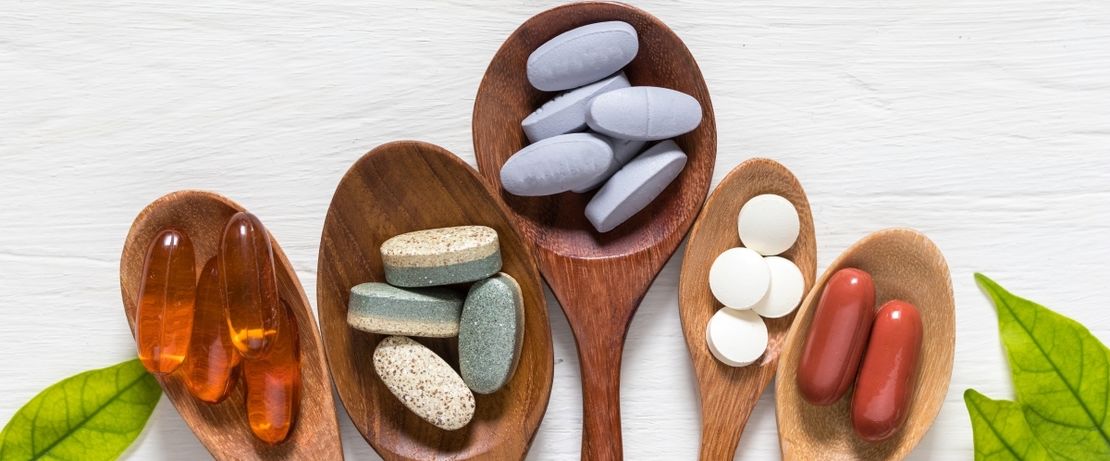
In recent years, the popularity of dietary supplements has surged as more people seek ways to support their health and well-being. From vitamins and minerals to herbal extracts and protein powders, supplements offer a convenient way to fill nutritional gaps and enhance performance. However, taking too much of popular supplements can pose serious health risks. Let's delve into the topic and explore the potential dangers of excessive supplement use.

1. Nutrient Overload:

While certain vitamins and minerals are essential for optimal health, consuming them in excess can lead to nutrient overload. Fat-soluble vitamins like vitamin A, D, E, and K are stored in the body's fat tissues and can accumulate to toxic levels when consumed in large amounts over time. Similarly, excessive intake of water-soluble vitamins like vitamin C and B vitamins can overwhelm the body's capacity to metabolize and excrete them, leading to imbalances and adverse effects.

2. Potential Toxicity:

Many popular supplements contain ingredients that can be harmful when taken in excessive doses. For example, high doses of certain herbal supplements, such as kava kava or yohimbe, can cause liver damage or cardiovascular problems. Similarly, excessive intake of minerals like iron or calcium can lead to gastrointestinal distress, kidney stones, or even organ damage. It's essential to follow recommended dosage guidelines and consult healthcare professionals before starting any new supplement regimen.

3. Interactions with Medications:

Supplements can interact with prescription medications and other supplements, leading to potential complications and adverse effects. For example, certain herbal supplements may interfere with the metabolism of medications, reducing their effectiveness or increasing the risk of side effects. Additionally, combining multiple supplements that contain the same active ingredients can result in overdose and toxicity. Always disclose all supplements and medications you're taking to your healthcare provider to avoid harmful interactions.

4. Misleading Labeling and Contamination:

Not all supplements are created equal, and some may contain impurities, contaminants, or misleading labeling. The lack of regulation in the supplement industry means that products may vary in quality and safety. Some supplements may contain undisclosed ingredients, incorrect dosages, or harmful contaminants like heavy metals or pesticides. It's essential to purchase supplements from reputable manufacturers that adhere to strict quality control standards and third-party testing.

5. Individual Variability:

Individual responses to supplements can vary widely based on factors such as age, sex, genetics, underlying health conditions, and medication use. What works for one person may not be suitable for another, and some individuals may be more susceptible to adverse effects from certain supplements. It's crucial to listen to your body and pay attention to any signs of discomfort or adverse reactions when taking supplements. If you experience any concerning symptoms, discontinue use and consult a healthcare professional.

Conclusion:

While dietary supplements can play a valuable role in supporting health and well-being, taking too much of healthcare professional can be dangerous. Nutrient overload, potential toxicity, interactions with medications, misleading labeling, and individual variability are all factors to consider when using supplements. To minimize risks and maximize benefits, it's essential to follow recommended dosage guidelines, choose supplements from reputable manufacturers, and consult healthcare professionals before starting any new supplement regimen.

subota, 22. travnja 2023.

Understanding the Impact of Obesity: What Does it Affect the Most?


Obesity is a growing health concern around the world, with millions of people affected by this chronic condition. Obesity occurs when there is an excessive accumulation of body fat, which can lead to various health problems. While most people are aware of the physical impact of obesity, such as increased risk of heart disease, diabetes, and joint problems, it's important to understand that obesity affects more than just physical health. In this blog post, we will explore what is most affected by obesity beyond physical health.

 The Growing Problem of Obesity | Viamedus

  1. Mental Health: Obesity can have a significant impact on mental health. Many individuals struggling with obesity experience depression, anxiety, and low self-esteem. The social stigma associated with obesity can also lead to social isolation, discrimination, and poor body image. These mental health challenges can further exacerbate the problem of obesity, as emotional eating and other unhealthy coping mechanisms may be used to deal with the emotional distress associated with obesity.

  2. Quality of Life: Obesity can greatly affect an individual's quality of life. Simple everyday activities such as walking, climbing stairs, and playing with children can become difficult due to the excess weight, leading to decreased mobility and overall reduced quality of life. Additionally, obesity can limit participation in recreational activities, travel, and other social engagements, which can impact one's emotional well-being and overall life satisfaction.

  3. Relationships: Obesity can impact relationships with family, friends, and romantic partners. The emotional and physical toll of obesity can strain relationships, leading to issues such as reduced intimacy, social isolation, and strained communication. This can lead to a decreased sense of connection and support from loved ones, which can further impact an individual's mental well-being.

  4. Work and Career: Obesity can also have a significant impact on one's work and career. Reduced mobility, increased fatigue, and health-related issues can lead to decreased productivity and increased absenteeism from work. Furthermore, individuals struggling with obesity may face workplace discrimination, bias, and lower job opportunities, which can impact their financial stability and career growth.

  5. Healthcare Costs: Obesity can result in increased healthcare costs. Managing obesity-related health conditions such as diabetes, high blood pressure, and sleep apnea can require ongoing medical care, medication, and specialized treatments. These costs can add up over time, resulting in financial strain on individuals, families, and healthcare systems.

In conclusion, obesity has a multifaceted impact beyond physical health. It can affect mental health, quality of life, relationships, work and career, and healthcare costs. It is important to recognize that obesity is not just a matter of willpower or personal choice but is influenced by various factors such as genetics, environment, behavior, and societal factors. If you or someone you know is struggling with obesity, it's essential to seek professional help, including medical, nutritional, and mental health support, to address the physical and emotional aspects of this condition and improve overall well-being. Remember that obesity is a complex issue that requires empathy, understanding, and support, and with the right approach, positive change is possible.