Prikazani su postovi s oznakom drink water. Prikaži sve postove

četvrtak, 16. svibnja 2024.

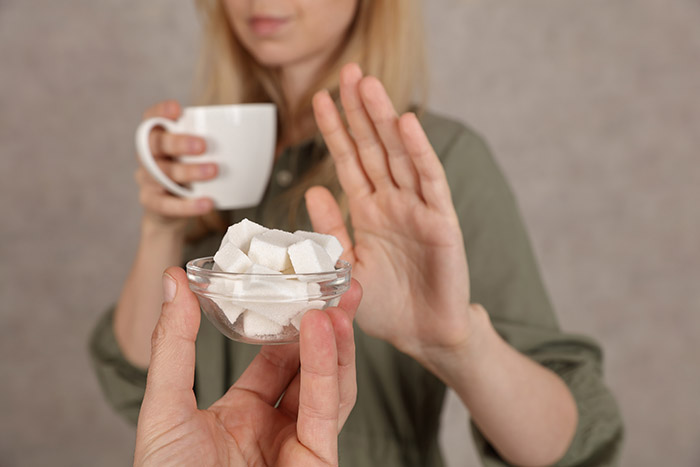
How to keep sugar intake at a reasonable level?

 slider-paceholder

Excessive sugar consumption is a common concern in today’s diet, contributing to various health issues such as obesity, diabetes, and heart disease. However, maintaining a reasonable level of sugar intake is achievable with mindful eating habits and informed choices. Here are some effective strategies to help you keep your sugar intake in check and promote a healthier lifestyle.

1. Understand Hidden Sugars

One of the first steps to managing sugar intake is understanding where sugars hide in your diet. Many processed foods, even those that don’t taste particularly sweet, can contain added sugars. Common culprits include:

  • Sauces and condiments (ketchup, salad dressings)
  • Breads and cereals
  • Flavored yogurts
  • Snack bars and protein bars

Always check the ingredient list and nutritional labels for hidden sugars, which can appear under various names like high fructose corn syrup, sucrose, glucose, and maltose.

2. Opt for Natural Sweeteners

When you need to sweeten your food, consider natural alternatives to refined sugar. Natural sweeteners like honey, maple syrup, and agave nectar can be healthier options. However, it's important to use these in moderation as well, as they still contribute to your overall sugar intake.

3. Choose Whole Fruits Over Juices

Whole fruits are packed with fiber, vitamins, and minerals, making them a healthier choice compared to fruit juices. Fiber in whole fruits slows down sugar absorption, preventing spikes in blood sugar levels. Instead of reaching for a glass of fruit juice, grab an apple or a handful of berries for a nutritious snack.

4. Cook and Bake at Home

Preparing your meals and snacks at home gives you complete control over the ingredients you use, including the amount of sugar. Try reducing the sugar in recipes by one-third to one-half without significantly affecting the taste. Experiment with spices like cinnamon, nutmeg, and vanilla extract to add flavor without added sugar.

5. Drink More Water

Sugary drinks like soda, energy drinks, and sweetened coffee or tea can significantly increase your daily sugar intake. Replacing these beverages with water is a simple way to reduce your sugar consumption. If you find plain water too bland, infuse it with slices of lemon, cucumber, or fresh mint for a refreshing twist.

6. Be Mindful of Portion Sizes

Even when consuming foods with added sugars, being mindful of portion sizes can help keep your sugar intake reasonable. Enjoying a small piece of dessert rather than a large serving can satisfy your sweet tooth without overindulging. Practice mindful eating by savoring each bite and paying attention to your body’s hunger and fullness cues.

7. Gradually Reduce Sugar in Your Diet

Reducing sugar intake doesn’t have to happen overnight. Gradually decreasing the amount of sugar you consume allows your taste buds to adjust over time. Start by cutting back on sugar in your coffee or tea, reducing the frequency of sugary snacks, and choosing lower-sugar versions of your favorite foods.

Conclusion

Maintaining a reasonable level of sugar intake is essential for overall health and well-being. By understanding hidden sugars, choosing natural sweeteners, opting for whole fruits, cooking at home, drinking more water, being mindful of portion sizes, and gradually reducing sugar in your diet, you can effectively manage your sugar consumption. These simple yet effective strategies will help you enjoy a healthier lifestyle with balanced sugar intake.

subota, 18. lipnja 2016.

Is Drinking 8 Glasses of Water Enough?


You get a fountain of answers when asking nutrition experts whether we need to drink the oft-advised eight glasses of water each day: Eight is enough or not enough or more than enough or not even the right question.


“The research question has been raised whether there is actually scientific evidence for drinking eight to 10 glasses of water each day,” said JoAnn Hattner, a clinical nutrition professor at Stanford University.

The best answer about eight glasses? A resounding, “It depends.”

For instance, a good number of nutritionists suggest we need a varying amount of water based on body weight. A common recommendation is to divide your weight in half and that’s the number of ounces you need each day.

Sports nutritionists will chime in, “Not so fast.” They recommend adding back 10 ounces for every half hour of daily exercise. That totals to 85 ounces a day for a 130-pound woman who takes an hour-long yoga or Pilates class. If she skips the class, then roughly a half-gallon of water will suffice.

Nutritionists agree the body needs water and fluids for optimal health. Making a point to drink water throughout the day will produce such happy results as feeling more energetic and less hungry. Water flushes toxins out of the body and keeps your organs functioning at peak levels.

To be more savvy about water consumption is to be a sipper rather than a guzzler. Here’s the problem with guzzling: If you drink too much fluid at once—say, two or three glasses in the morning—you can overload the kidneys without actually hydrating the body.

A healthier strategy is to consume eight ounces every one to two hours (a particularly good idea if you are constipated). Hydration through sipping helps the body do things like deliver an adequate blood supply to the skin.

“It’s always better to space it out,” confirmed Monique Ryan, a Chicago-area nutritionist based in Evanston.

One major bonus of spacing out your water intake: Fewer bathroom runs.

There is no exact healthy number of bathroom breaks in a day; it varies as much as our names or even fingerprints. But going more than three hours without a bathroom break during daytime hours likely means you are not drinking enough water.

On the other hand, awaking to urinate twice or more during sleep indicates you need to seek a health practitioner’s attention. Overnight frequency, especially at younger adult ages, is not to be taken lightly.

Things are more fluid

 
While eight glasses of water has been a standard goal for decades—some people “credit” the tally from the popular Dr. Stillman Diet of the 1970s—a new and welcome wrinkle is the range of beverages that nutritionists now count toward your daily hydration total.

“What’s really changed is that caffeine is not considered as severely dehydrating,” said Ryan, author of the book Sports Nutrition for Endurance Athletes (Velo Press). “Caffeinated drinks can count as about half water.”

That means your 16-ounce morning coffee can count as one of the recommended eight to 10 cups of water. Or half of your soda is equal to six ounces of water. It appears caffeine itself is not the diuretic agent once believed, though it does prompt most people to urinate more frequently. The result is 50 percent fluid loss.

One caveat: Some people, if they are honest about it, likely lose most of that coffee and then some to agitated bladders. They may find that drinking espresso without the milk of a latte or water of an Americano-style cuts down on personal fluid loss.

In any case, Ryan was quick to add that this reversal of thinking is “not a directive to drink caffeine.”

And certainly no practitioner recommends the excess sugar (10 teaspoons per 12-ounce serving) of regular soda or additives of diet soda.

Some consumers say they prefer soda to water because soda is colder and more refreshing than a room-temperature bottled water. One idea is to look for the newer water bottles with cores that can be frozen and then inserted to keep the water cool all day. While conclusive research proves elusive, preliminary studies show people who drink cold water will burn an extra hundred calories or so compared to individuals who consume the same amount of room-temperature water.

Carbonated drinks often hit the spot, but rather than pushing the cola button on a vending machine, consider a sparkling water with a splash of juice or fresh-squeezed lemon, lime or orange.

Equal to water


Jackie Berning, assistant professor of nutrition at the University of Colorado at Colorado Springs and nutritionist for several Denver-area professional sports teams, said she tells her athlete-clients that beverages such as juice, milk, soy milk and herbal teas can match water, ounce for hydrating ounce. She and other nutritionists mention provisos about juice (drink 100 percent varieties, consume only 6 to 8 ounces daily because of high caloric content, don’t use it to quench thirst) and various milks (require more work in the digestive tract than water).

A notable exception is beer, wine and other alcoholic drinks, which don’t count in the hydrating column. Research shows alcohol blocks a hormone that otherwise helps the body stay hydrated. In fact, a frequent suggestion is to consume a full glass of water for every alcoholic serving.

Ryan cautioned that consuming alcohol after exercise may also inhibit muscle recovery.

So much for the post-workout beer? Your choice, but you might reconsider having more than one.

Ultimately, each of us needs to get in the flow of our personal health and energy levels.

“You are the best judge of whether you are getting enough fluids in your day,” Hattner said. “It’s more than monitoring your thirst, [which actually becomes less reliable as a hydration alert in adulthood, compared to grade-school and teenage years]. If you are feeling lethargic, it may well be from lack of hydration.”

Let’s all drink to that, whether it adds up to eight glasses of water each day or not.


Source:life.gaiam