Prikazani su postovi s oznakom balanced diet. Prikaži sve postove

četvrtak, 7. kolovoza 2025.

How Much Should I Eat?

Quantity and Quality Explained

 Discover how to balance portion size and nutritional value for a healthier lifestyle. Learn how much you should eat and what types of food support optimal well-being.
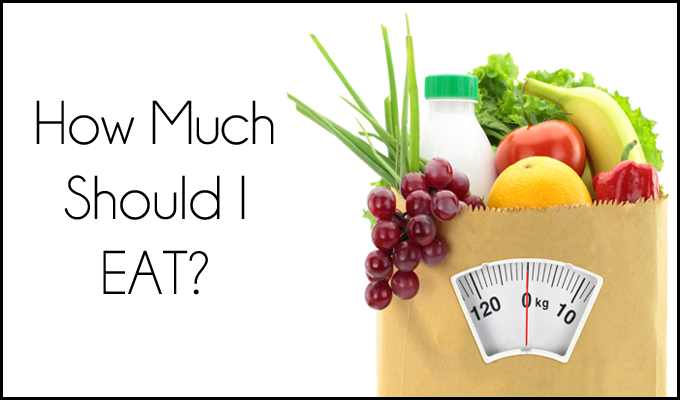
 How much fruit and vegetables should we eat?

When it comes to eating healthy, most people focus on what they eat—but how much you eat is just as important. Understanding both the quantity and quality of your food can help you maintain a healthy weight, boost energy levels, and reduce the risk of chronic diseases.

In this blog post, we'll explore how much you should eat and how to choose the best quality foods for your body.


1. Understand Your Caloric Needs

Everyone’s caloric needs are different. They depend on factors like age, gender, physical activity level, and metabolism. For example:

  • Adult women generally need 1,800–2,400 calories/day.

  • Adult men may need 2,200–3,000 calories/day.

Instead of obsessively counting calories, focus on eating balanced meals with proper portions from each food group.


2. Choose Nutrient-Dense Foods

Not all calories are equal. 200 calories of candy won't nourish you like 200 calories of vegetables, whole grains, or lean protein. Aim for:

  • Fruits and vegetables (at least half your plate)

  • Whole grains instead of refined grains

  • Lean proteins like fish, beans, eggs, or chicken

  • Healthy fats from nuts, seeds, avocados, and olive oil

These foods offer vitamins, minerals, fiber, and antioxidants—everything your body needs to thrive.


3. Learn Portion Control

Overeating—even healthy food—can lead to weight gain. Use these tips to manage your portions:

  • Use smaller plates and bowls

  • Fill half your plate with veggies

  • Don't eat straight from the package

  • Avoid distractions like TV during meals

  • Stop eating when you're about 80% full

Listening to your body is key. Eat when you’re truly hungry and stop when you're satisfied, not stuffed.


4. Avoid Empty Calories

Limit foods and drinks high in added sugars, saturated fats, and sodium, such as:

  • Sugary drinks and snacks

  • Fast food and fried foods

  • Processed meats and salty snacks

These may fill you up temporarily but offer little nutritional value and can harm your health in the long run.


5. Stay Hydrated

Sometimes we mistake thirst for hunger. Drinking enough water throughout the day can prevent overeating and support digestion, energy levels, and overall health.

Aim for 6–8 cups of water daily, or more if you're physically active or live in a hot climate.


Final Thoughts

Eating well isn’t just about eating less—it’s about eating smart. Focus on nutrient-rich foods, balanced portions, and mindful eating habits. By understanding the quantity and quality of what you eat, you’ll be taking an important step toward long-term wellness.

ponedjeljak, 15. travnja 2024.

Tips on Getting Ahead of Seasonal Allergies: How to Stay Healthy and Enjoy the Outdoors

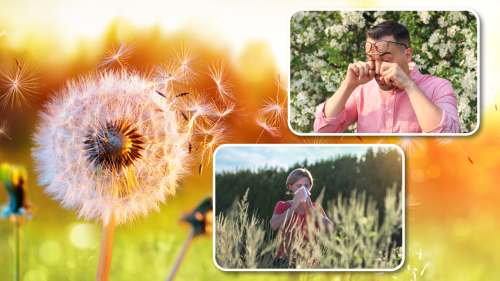
 Photo graphic, main image of dandelion blowing in wind. Top inset photo of man rubbing watering eyes. Bottom inset photo of woman standing in field of flowers and sneezing.

As the seasons change, many people find themselves struggling with seasonal allergies, also known as hay fever. Symptoms like sneezing, congestion, and itchy eyes can put a damper on outdoor activities and impact overall well-being. However, with the right approach, it's possible to get ahead of seasonal allergies and enjoy the outdoors to the fullest. Here are some tips to help you stay healthy and allergy-free during allergy season.

1. Monitor Pollen Counts:

Keep an eye on local pollen counts and plan outdoor activities accordingly. Pollen levels tend to be highest in the early morning and on dry, windy days. By scheduling outdoor activities for later in the day or on days with lower pollen counts, you can reduce your exposure to allergens and minimize allergy symptoms.

2. Keep Windows Closed:

During allergy season, it's essential to keep windows and doors closed to prevent pollen from entering your home. Use air conditioning to keep indoor air clean and filtered. Additionally, consider investing in a high-efficiency particulate air (HEPA) filter for your HVAC system to trap pollen, dust, and other allergens and improve indoor air quality.

3. Practice Good Hygiene:

After spending time outdoors, be sure to shower and change clothes to remove pollen and other allergens from your skin and clothing. Washing your face and hands frequently can also help prevent allergens from coming into contact with your eyes, nose, and mouth. Consider using saline nasal sprays or rinses to flush out nasal passages and reduce congestion.

4. Use Allergy Medications:

Over-the-counter and prescription allergy medications can help alleviate symptoms and provide relief during allergy season. Antihistamines, decongestants, and nasal corticosteroids are commonly used to treat allergy symptoms like sneezing, itching, congestion, and runny nose. Be sure to consult with your healthcare provider or pharmacist to determine the best treatment options for your specific allergies and symptoms.

5. Consider Allergy Shots:

For individuals with severe or persistent allergies, allergen immunotherapy, commonly known as allergy shots, may be recommended. Allergy shots work by gradually desensitizing the immune system to specific allergens, reducing the severity of allergic reactions over time. While allergy shots require a commitment to a series of injections over several months, they can provide long-term relief for chronic allergy sufferers.

6. Limit Outdoor Exposure:

On days when pollen counts are high or allergy symptoms are particularly severe, consider limiting outdoor activities and spending more time indoors. Indoor activities like yoga, cooking, or reading can provide a welcome respite from allergens and allow you to recharge and relax without exacerbating allergy symptoms.

7. Maintain a Healthy Lifestyle:

Eating a balanced diet, staying hydrated, getting regular exercise, and managing stress can all contribute to overall health and well-being, including immune function and allergy resilience. Incorporating anti-inflammatory foods like fruits, vegetables, nuts, and seeds into your diet can help support a healthy immune system and reduce inflammation associated with allergies.

Conclusion:

Seasonal allergies can be a nuisance, but with proper planning and proactive measures, it's possible to get ahead of allergy season and enjoy the outdoors with minimal discomfort. By monitoring pollen counts, practicing good hygiene, using allergy medications as needed, considering allergy shots, limiting outdoor exposure, and maintaining a healthy lifestyle, you can minimize allergy symptoms and stay healthy and active during allergy season.

Remember, if you're experiencing severe or persistent allergy symptoms, it's essential to consult with a healthcare provider for personalized advice and treatment options. With the right approach, you can take control of your allergies and enjoy all that the great outdoors has to offer.