
Prikazani su postovi s oznakom healthy diet. Prikaži sve postove

četvrtak, 16. svibnja 2024.

How to keep sugar intake at a reasonable level?

 slider-paceholder

Excessive sugar consumption is a common concern in today’s diet, contributing to various health issues such as obesity, diabetes, and heart disease. However, maintaining a reasonable level of sugar intake is achievable with mindful eating habits and informed choices. Here are some effective strategies to help you keep your sugar intake in check and promote a healthier lifestyle.

1. Understand Hidden Sugars

One of the first steps to managing sugar intake is understanding where sugars hide in your diet. Many processed foods, even those that don’t taste particularly sweet, can contain added sugars. Common culprits include:

  • Sauces and condiments (ketchup, salad dressings)
  • Breads and cereals
  • Flavored yogurts
  • Snack bars and protein bars

Always check the ingredient list and nutritional labels for hidden sugars, which can appear under various names like high fructose corn syrup, sucrose, glucose, and maltose.

2. Opt for Natural Sweeteners

When you need to sweeten your food, consider natural alternatives to refined sugar. Natural sweeteners like honey, maple syrup, and agave nectar can be healthier options. However, it's important to use these in moderation as well, as they still contribute to your overall sugar intake.

3. Choose Whole Fruits Over Juices

Whole fruits are packed with fiber, vitamins, and minerals, making them a healthier choice compared to fruit juices. Fiber in whole fruits slows down sugar absorption, preventing spikes in blood sugar levels. Instead of reaching for a glass of fruit juice, grab an apple or a handful of berries for a nutritious snack.

4. Cook and Bake at Home

Preparing your meals and snacks at home gives you complete control over the ingredients you use, including the amount of sugar. Try reducing the sugar in recipes by one-third to one-half without significantly affecting the taste. Experiment with spices like cinnamon, nutmeg, and vanilla extract to add flavor without added sugar.

5. Drink More Water

Sugary drinks like soda, energy drinks, and sweetened coffee or tea can significantly increase your daily sugar intake. Replacing these beverages with water is a simple way to reduce your sugar consumption. If you find plain water too bland, infuse it with slices of lemon, cucumber, or fresh mint for a refreshing twist.

6. Be Mindful of Portion Sizes

Even when consuming foods with added sugars, being mindful of portion sizes can help keep your sugar intake reasonable. Enjoying a small piece of dessert rather than a large serving can satisfy your sweet tooth without overindulging. Practice mindful eating by savoring each bite and paying attention to your body’s hunger and fullness cues.

7. Gradually Reduce Sugar in Your Diet

Reducing sugar intake doesn’t have to happen overnight. Gradually decreasing the amount of sugar you consume allows your taste buds to adjust over time. Start by cutting back on sugar in your coffee or tea, reducing the frequency of sugary snacks, and choosing lower-sugar versions of your favorite foods.

Conclusion

Maintaining a reasonable level of sugar intake is essential for overall health and well-being. By understanding hidden sugars, choosing natural sweeteners, opting for whole fruits, cooking at home, drinking more water, being mindful of portion sizes, and gradually reducing sugar in your diet, you can effectively manage your sugar consumption. These simple yet effective strategies will help you enjoy a healthier lifestyle with balanced sugar intake.

subota, 17. lipnja 2023.

Bread Isn't as Bad as You Think: Debunking Common Myths

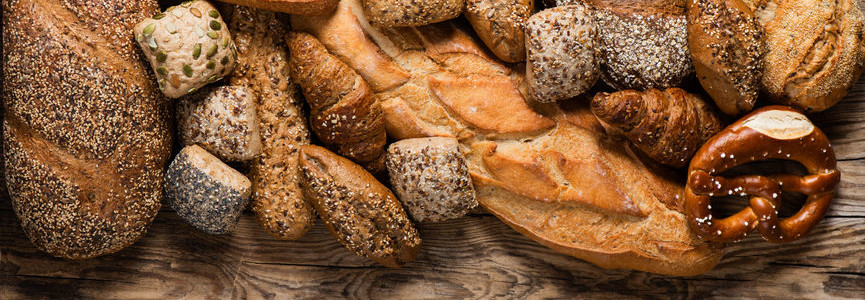
 Bread is a combination of flour and water that has been baked.

 Bread has often been labeled as a dietary villain, blamed for weight gain and various health issues. However, it's time to set the record straight and debunk some common misconceptions. In this blog post, we'll explore why bread isn't as bad as you think and how it can be part of a healthy and balanced diet.

  1. Nutritional Value of Bread: Contrary to popular belief, bread can be a valuable source of essential nutrients. Whole grain bread, in particular, is rich in fiber, vitamins, and minerals. It provides complex carbohydrates that fuel our bodies and contribute to overall energy levels. By choosing whole grain options, you can enjoy the nutritional benefits without compromising your health.

  2. Moderation is Key: The negative reputation of bread often stems from overconsumption or poor choices. Like any food, moderation is crucial. Portion control and mindful eating play significant roles in maintaining a healthy diet. By balancing your bread intake with a variety of other nutritious foods, you can enjoy it without guilt.

  3. Types of Bread Matter: Not all bread is created equal. Opting for whole grain or whole wheat bread, which retains the natural fiber and nutrients found in the grain, is a healthier choice compared to refined white bread. Whole grain bread is lower in calories, higher in fiber, and can help promote digestive health.

  4. Bread and Weight Management: Contrary to popular belief, bread itself is not solely responsible for weight gain. Excessive calorie intake, lack of physical activity, and an imbalanced diet are more significant contributors. By incorporating whole grain bread into a well-rounded meal plan and practicing portion control, bread can be part of a successful weight management strategy.

  5. Gluten Sensitivity and Alternatives: For individuals with gluten sensitivity or celiac disease, consuming traditional wheat-based bread may not be suitable. However, there are now various gluten-free bread alternatives available, such as those made from rice, quinoa, or almond flour. These alternatives provide options for individuals with specific dietary needs.

Conclusion: It's time to dispel the misconceptions surrounding bread. When consumed in moderation and as part of a balanced diet, bread can be a nutritious and enjoyable food choice. Remember to opt for whole grain varieties, practice portion control, and consider alternative options if necessary. By understanding the facts, you can confidently include bread as part of a healthy lifestyle.

utorak, 23. kolovoza 2016.

An approach to healthy eating before pregnancy


How much protein do you need? Get the facts about pre-pregnancy nutrition.


When you are trying to get pregnant it pays to make sure your diet is giving you all the nutrients you need. A healthy diet may improve your chances of conceiving and give your baby a better start.

Fad diets or gorging on fast foods won’t do your pre-pregnancy body any favours. A balanced diet with a few special tweaks is the best way forward.

If you are either too overweight or underweight it may reduce your chances of getting pregnant, so try to make sure you are at a healthy weight when trying to conceive.

"Getting your body into prime condition pre-pregnancy gives your baby the best possible start in life," says British Dietetic Association spokesperson Priya Tew. "There are links between the nutrition a foetus receives in the womb and their health later on in life, with increased risks of some chronic diseases with unhealthy diets," she adds.

According to the NHS you are in a healthy weight range if your body mass index (BMI) is between 20 and 25. The National Institute for Health and Care Excellence (NICE) says women who have a BMI of more than 29 can take longer to conceive than women whose weight is in the normal range.

"Follow a healthy diet with all of the nutrients you need to build-up reserves for you and ensure maximum health for any baby," says women’s health specialist dietitian Gaynor Bussell.
 

Protein

It’s important to have enough protein in your pre-pregnancy diet, good sources are lean red meat, chicken, turkey, eggs and fish. Soybean and soya products like tofu, nuts and pulses (peas, beans and lentils) are also useful protein sources.
 

Carbohydrates

Try to adopt healthier eating habits before you get pregnant. A healthy body is more likely to successfully conceive. Include complex carbohydrates, (such as bread, pasta, potato, rice, or yam) an important energy source that provides B group vitamins as well. Choose wholemeal bread, brown pasta and brown rice as higher fibre starchy foods, important for a healthy bowel and to prevent constipation, before and during pregnancy.
 

Dairy products

Milk, cheese and yoghurt are all calcium-rich foods, important for healthy bones in a growing baby, but really important for your bones, too. Get into the habit of including calcium-rich foods in your diet if you’ve not been used to thinking about this vital nutrient. If you’re lactose intolerant choose a lactose-free milk. It has a similar protein and calcium content to cow’s milk. Tofu (soybean curd) is a particularly calcium-rich food. Oat, almond and rice milks may be fortified with calcium, but their protein content is far lower than animal or soya milks.
 

Fruit and vegetables

Fruit and vegetables are important in your diet not just because they’re a great source of vitamins and minerals, but also because they contain a wide range of fibres and phytochemicals that contribute to good health. "Try to get your 5-a-day, but if you can, try for 9-a-day if you really like your fruit and veg," says Gaynor.


Sorce: webmd.boots