ponedjeljak, 18. kolovoza 2025.

Does the Mediterranean Diet Really Help You Live Longer?

 Discover how the Mediterranean diet supports heart health, brain function, and longevity. Learn why this eating style is linked to longer, healthier lives.
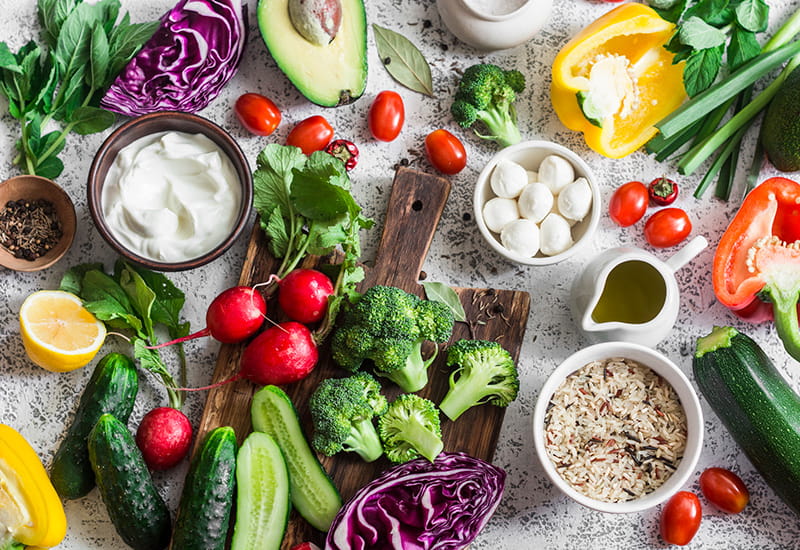
 Mediterranean Diet

Does the Mediterranean Diet Hold the Key to Longevity?

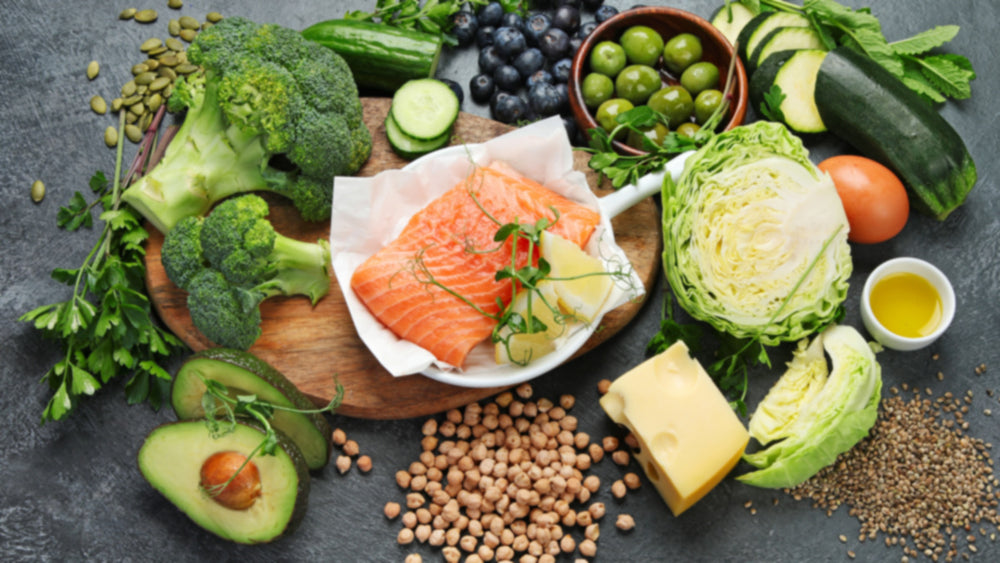
The Mediterranean diet has gained worldwide recognition for being one of the healthiest eating patterns. Inspired by the traditional foods of countries such as Greece, Italy, and Spain, this diet emphasizes fresh vegetables, fruits, olive oil, nuts, legumes, fish, and whole grains. But the big question remains: Does the Mediterranean diet hold the key to longevity?

The Science Behind Longevity and Diet

Research consistently shows that people who follow the Mediterranean diet tend to live longer and healthier lives. Blue Zones — regions of the world where people often live past 100 years — include areas around the Mediterranean where this diet is a cultural norm.

Key Benefits of the Mediterranean Diet for Longevity

  1. Heart Health Support
    Olive oil, nuts, and fatty fish provide healthy fats that lower cholesterol and reduce the risk of heart disease — one of the leading causes of premature death worldwide.

  2. Anti-Inflammatory Effects
    The diet is rich in antioxidants from fruits, vegetables, and herbs, helping to fight inflammation, which plays a role in aging and chronic disease.

  3. Brain Health and Memory
    Studies suggest that the Mediterranean diet protects against cognitive decline, lowering the risk of Alzheimer’s and dementia.

  4. Better Weight Management
    By focusing on whole foods and balanced meals, the diet helps maintain a healthy weight, reducing the risk of diabetes and obesity-related conditions.

  5. Longevity Through Lifestyle
    Beyond food, the Mediterranean lifestyle includes physical activity, family meals, and reduced stress — all essential factors for living a longer, healthier life.

What to Eat in the Mediterranean Diet

  • Daily: Vegetables, fruits, whole grains, legumes, nuts, seeds, and olive oil

  • Weekly: Fish, poultry, eggs, and dairy in moderation

  • Occasionally: Red meat and sweets

Bottom Line

The Mediterranean diet is more than just a way of eating — it’s a lifestyle that combines nutritious foods, social connection, and balance. While no diet alone guarantees a longer life, strong scientific evidence shows that this way of eating can significantly improve health and increase life expectancy.

So, does the Mediterranean diet hold the key to longevity? The answer is very likely yes.


Frequently Asked Questions (FAQ)

1. What is the Mediterranean diet?
The Mediterranean diet is an eating style based on traditional foods from countries like Greece, Italy, and Spain. It emphasizes vegetables, fruits, olive oil, nuts, legumes, fish, and whole grains.

2. Can the Mediterranean diet help you live longer?
Yes, research shows that people who follow the Mediterranean diet often have lower risks of heart disease, diabetes, and cognitive decline — factors linked to longer life expectancy.

3. Is the Mediterranean diet good for brain health?
Absolutely. Studies suggest it helps protect against memory loss, Alzheimer’s, and age-related cognitive decline due to its high content of antioxidants and healthy fats.

4. Do I need to avoid meat completely on the Mediterranean diet?
No. The diet allows moderate amounts of poultry, eggs, and dairy. Red meat and sweets are not forbidden but should be eaten occasionally.

5. Besides food, what makes the Mediterranean lifestyle healthy?
Regular physical activity, enjoying meals with family and friends, and reducing stress are also key aspects of the Mediterranean way of living — all of which support better health and longevity.


subota, 9. kolovoza 2025.

Is Lithium Harmful to Our Health? Facts You Need to Know

 Discover the truth about lithium and its potential effects on our health. Learn about its uses, benefits, and risks in medicine and the environment.

 Generated image

Is Lithium Harmful to Our Health?

Lithium is a naturally occurring element found in rocks, soil, and even our drinking water. It is best known for its use in rechargeable batteries and as a medication for certain mental health conditions, such as bipolar disorder. But many people wonder — is lithium harmful to our health? The answer depends on the form, dose, and exposure level.

Lithium in Medicine

In psychiatry, lithium carbonate and lithium citrate have been used for decades to treat mood disorders. When prescribed by a doctor and monitored carefully, lithium can be safe and highly effective. However, because it affects the brain and kidneys, it requires regular blood tests to avoid lithium toxicity.
Possible side effects of medical lithium include:

  • Tremors

  • Increased thirst

  • Weight gain

  • Kidney function changes

  • Thyroid issues

If blood levels get too high, symptoms like confusion, nausea, and muscle weakness can occur — a condition that requires urgent medical attention.

Lithium in the Environment

Lithium is also present in some water supplies naturally or due to industrial pollution. In low amounts, it may not cause noticeable harm, but higher concentrations could affect health, especially in people with kidney problems or those already taking lithium medication.
With the rapid growth of lithium-ion battery production, concerns have also risen about environmental contamination from mining and waste disposal.

When Is Lithium Dangerous?

Lithium becomes harmful when:

  • Blood levels are too high (usually from medication misuse or overdose)

  • Chronic exposure occurs from contaminated water or food sources

  • Occupational exposure happens in battery manufacturing or mining without proper safety measures

How to Protect Yourself

  • Follow medical advice strictly when taking lithium medication

  • Test water sources in areas near lithium mining or industry

  • Use protective equipment if working with lithium compounds

  • Support battery recycling programs to reduce environmental impact

Bottom Line

Lithium is not automatically harmful — in fact, it can be a life-saving medicine when used correctly. The danger lies in overexposure or improper use. By following safety guidelines and monitoring environmental sources, we can benefit from lithium’s positive uses while minimizing health risks.


Frequently Asked Questions (FAQ)

1. What is lithium used for in medicine?
Lithium is mainly prescribed for treating bipolar disorder and other mood disorders. It helps stabilize mood swings and reduce the risk of severe depression or mania.

2. Can lithium be harmful to your health?
Yes, lithium can be harmful if blood levels become too high or if you’re exposed to it in large amounts from the environment. This can cause side effects like tremors, nausea, kidney problems, and in severe cases, lithium toxicity.

3. Is lithium found in drinking water?
Lithium naturally occurs in some water supplies, but the concentration is usually very low. In high amounts, it could affect health, especially in people with kidney issues.

4. What are the signs of lithium toxicity?
Early signs include tremors, excessive thirst, confusion, muscle weakness, and nausea. Severe toxicity can cause seizures, kidney failure, and in extreme cases, be life-threatening.

5. How can I reduce the risks of lithium exposure?
Follow your doctor’s instructions if taking lithium medication, test your drinking water if you live near lithium mining areas, and recycle batteries properly to limit environmental contamination.


četvrtak, 7. kolovoza 2025.

How Much Should I Eat?

Quantity and Quality Explained

 Discover how to balance portion size and nutritional value for a healthier lifestyle. Learn how much you should eat and what types of food support optimal well-being.

 How much fruit and vegetables should we eat?

When it comes to eating healthy, most people focus on what they eat—but how much you eat is just as important. Understanding both the quantity and quality of your food can help you maintain a healthy weight, boost energy levels, and reduce the risk of chronic diseases.

In this blog post, we'll explore how much you should eat and how to choose the best quality foods for your body.


1. Understand Your Caloric Needs

Everyone’s caloric needs are different. They depend on factors like age, gender, physical activity level, and metabolism. For example:

  • Adult women generally need 1,800–2,400 calories/day.

  • Adult men may need 2,200–3,000 calories/day.

Instead of obsessively counting calories, focus on eating balanced meals with proper portions from each food group.


2. Choose Nutrient-Dense Foods

Not all calories are equal. 200 calories of candy won't nourish you like 200 calories of vegetables, whole grains, or lean protein. Aim for:

  • Fruits and vegetables (at least half your plate)

  • Whole grains instead of refined grains

  • Lean proteins like fish, beans, eggs, or chicken

  • Healthy fats from nuts, seeds, avocados, and olive oil

These foods offer vitamins, minerals, fiber, and antioxidants—everything your body needs to thrive.


3. Learn Portion Control

Overeating—even healthy food—can lead to weight gain. Use these tips to manage your portions:

  • Use smaller plates and bowls

  • Fill half your plate with veggies

  • Don't eat straight from the package

  • Avoid distractions like TV during meals

  • Stop eating when you're about 80% full

Listening to your body is key. Eat when you’re truly hungry and stop when you're satisfied, not stuffed.


4. Avoid Empty Calories

Limit foods and drinks high in added sugars, saturated fats, and sodium, such as:

  • Sugary drinks and snacks

  • Fast food and fried foods

  • Processed meats and salty snacks

These may fill you up temporarily but offer little nutritional value and can harm your health in the long run.


5. Stay Hydrated

Sometimes we mistake thirst for hunger. Drinking enough water throughout the day can prevent overeating and support digestion, energy levels, and overall health.

Aim for 6–8 cups of water daily, or more if you're physically active or live in a hot climate.


Final Thoughts

Eating well isn’t just about eating less—it’s about eating smart. Focus on nutrient-rich foods, balanced portions, and mindful eating habits. By understanding the quantity and quality of what you eat, you’ll be taking an important step toward long-term wellness.

ponedjeljak, 4. kolovoza 2025.

Healthy Eating As You Age

 Nutrition Tips for a Stronger, Longer Life

 Discover essential healthy eating tips for aging well. Learn how to boost nutrition, support bone health, and stay energized with the right foods as you get older.

 Fueling Longevity: Essential Nutrients for a Longer Life

As we grow older, our bodies change — and so do our nutritional needs. Eating well becomes more important than ever to maintain energy, support the immune system, reduce the risk of chronic diseases, and improve overall quality of life. But healthy eating as you age doesn’t have to be complicated.

In this post, we’ll share simple, effective tips for healthy eating in your 50s, 60s, and beyond to help you feel your best at every stage of life.


1. Focus on Nutrient-Dense Foods

As metabolism slows with age, you may need fewer calories — but you still need the same or even more nutrients. That’s why it’s essential to choose foods that are rich in vitamins and minerals without extra sugars, saturated fats, or sodium.

Top nutrient-dense choices include:

  • Leafy greens (spinach, kale, arugula)

  • Berries and citrus fruits

  • Sweet potatoes and whole grains

  • Beans, lentils, and legumes

  • Lean proteins like fish, eggs, and poultry

  • Low-fat dairy or plant-based alternatives


2. Increase Calcium and Vitamin D Intake

Bone health becomes a major concern with age, especially for women after menopause. Eating foods rich in calcium and vitamin D helps maintain strong bones and reduce the risk of osteoporosis and fractures.

Good sources include:

  • Low-fat milk, yogurt, and cheese

  • Fortified plant-based milks (almond, soy, oat)

  • Leafy greens like bok choy and broccoli

  • Fatty fish like salmon and sardines

  • Eggs and fortified cereals


3. Stay Hydrated

As we age, the sensation of thirst may weaken, making dehydration more likely. Drinking enough fluids helps with digestion, energy, and brain function.

Tips to stay hydrated:

  • Aim for 6–8 glasses of water daily

  • Include herbal teas and broths

  • Eat water-rich foods like cucumbers, melons, and soups

  • Limit sugary or caffeinated drinks


4. Prioritize Fiber for Digestive Health

Fiber plays a key role in preventing constipation, lowering cholesterol, and managing blood sugar levels. Most older adults don’t get enough fiber in their diets.

Add more fiber by:

  • Choosing whole grain bread, pasta, and cereal

  • Eating more fruits and vegetables with skins

  • Snacking on nuts and seeds

  • Adding beans and lentils to meals


5. Limit Added Sugar and Salt

Too much sugar can increase your risk of diabetes and weight gain, while excess sodium raises blood pressure and puts stress on the heart. As taste buds dull with age, many people unknowingly consume more of both.

What you can do:

  • Use herbs and spices instead of salt

  • Choose low-sodium products

  • Avoid sweetened drinks and snacks

  • Read labels and choose foods with no added sugar


6. Don’t Skip Meals

Skipping meals can lead to fatigue, low blood sugar, and nutrient deficiencies. Eating regular, balanced meals supports a healthy metabolism and provides consistent energy throughout the day.

If you have a low appetite, try eating smaller portions more frequently and adding high-nutrient snacks like nuts, yogurt, or smoothies.


7. Talk to Your Doctor or Dietitian

Older adults may have specific medical conditions or take medications that affect appetite, digestion, or nutrient absorption. A healthcare provider or registered dietitian can help tailor a healthy eating plan that fits your unique needs.


Conclusion

Healthy eating as you age is one of the best ways to stay active, independent, and vibrant well into your golden years. By focusing on whole foods, staying hydrated, boosting your intake of key nutrients, and making mindful choices, you can support your body and mind for a better quality of life.

Remember: It’s never too late to start eating better!

srijeda, 30. srpnja 2025.

Sugar, Sex, and Your Health: What You Need to Know

 person adding blueberries to bowl of granola cereal

Discover the surprising connection between sugar, sex, and your health. Learn how cutting sugar can boost libido, balance hormones, and improve your overall well-being.


We often think of sugar and sex as completely unrelated — one satisfies your sweet tooth, and the other your libido. But what if your daily sugar habit is doing more than just adding inches to your waistline? It might also be affecting your hormones, energy levels, and even your sex life. Understanding how sugar, sex, and your health are interconnected is essential if you want to enjoy better physical and mental well-being.


1. Sugar Can Wreck Your Hormones

Excessive sugar intake can lead to insulin resistance, which not only increases the risk of diabetes and obesity but also causes hormonal imbalances. For men, this may mean lower testosterone levels, while for women, it may lead to disrupted estrogen and progesterone balance. These hormonal shifts can negatively affect libido, sexual performance, and mood.


2. High Sugar = Low Energy = Low Libido

Sugar causes blood sugar spikes followed by crashes, leading to fatigue, irritability, and mood swings. This rollercoaster of energy often leaves people too tired for sex. A consistently high-sugar diet can also cause chronic inflammation, which contributes to reduced stamina and overall physical and emotional disinterest in intimacy.


3. Sugar Increases the Risk of Erectile Dysfunction

For men, high sugar consumption can damage blood vessels and lead to poor circulation, which is crucial for sexual performance. Studies have linked high-sugar diets with an increased risk of erectile dysfunction (ED). The connection is clear: what’s bad for your heart is also bad for your sex life.


4. It Affects Women's Sexual Health Too

In women, excess sugar contributes to weight gain, fatigue, and mood disorders such as anxiety and depression — all of which can reduce sexual desire. Sugar also promotes candida overgrowth, which may lead to yeast infections and vaginal discomfort, making intimacy less appealing and more uncomfortable.


5. Poor Diet Can Disrupt Mental Health and Intimacy

Sugar has been shown to increase the risk of depression and anxiety, which can significantly lower libido in both men and women. Healthy sex requires emotional well-being, and mental health conditions often caused or worsened by sugar consumption can interfere with desire, connection, and sexual satisfaction.


6. Sugar and Fertility: What You Should Know

Both male and female fertility can be affected by sugar. In men, a poor diet high in sugar can lead to lower sperm quality and count. In women, sugar spikes insulin, which may contribute to polycystic ovary syndrome (PCOS) — a leading cause of infertility.


7. Switch to a Libido-Friendly Diet

If you want better sex and improved health, cutting back on sugar is a good start. Focus on:

  • Whole foods like fruits, vegetables, nuts, seeds, and whole grains

  • Healthy fats from avocados, olive oil, and fatty fish

  • Lean proteins like chicken, eggs, and legumes

  • Natural libido-boosting foods like dark chocolate (in moderation), watermelon, pumpkin seeds, and maca root

Replacing sugary snacks with nutritious, whole-food alternatives can stabilize your hormones, boost energy, improve mood, and enhance your sex life.


Conclusion

The connection between sugar, sex, and your health is undeniable. A high-sugar diet can disrupt hormones, lower libido, impair fertility, and lead to serious physical and mental health issues. On the other hand, reducing sugar intake and embracing a nutrient-rich diet can revitalize your energy, balance your hormones, and even reignite your sex drive.

Make mindful choices today — your body, your brain, and your bedroom will thank you.


četvrtak, 16. svibnja 2024.

How to keep sugar intake at a reasonable level?

 slider-paceholder

Excessive sugar consumption is a common concern in today’s diet, contributing to various health issues such as obesity, diabetes, and heart disease. However, maintaining a reasonable level of sugar intake is achievable with mindful eating habits and informed choices. Here are some effective strategies to help you keep your sugar intake in check and promote a healthier lifestyle.

1. Understand Hidden Sugars

One of the first steps to managing sugar intake is understanding where sugars hide in your diet. Many processed foods, even those that don’t taste particularly sweet, can contain added sugars. Common culprits include:

  • Sauces and condiments (ketchup, salad dressings)
  • Breads and cereals
  • Flavored yogurts
  • Snack bars and protein bars

Always check the ingredient list and nutritional labels for hidden sugars, which can appear under various names like high fructose corn syrup, sucrose, glucose, and maltose.

2. Opt for Natural Sweeteners

When you need to sweeten your food, consider natural alternatives to refined sugar. Natural sweeteners like honey, maple syrup, and agave nectar can be healthier options. However, it's important to use these in moderation as well, as they still contribute to your overall sugar intake.

3. Choose Whole Fruits Over Juices

Whole fruits are packed with fiber, vitamins, and minerals, making them a healthier choice compared to fruit juices. Fiber in whole fruits slows down sugar absorption, preventing spikes in blood sugar levels. Instead of reaching for a glass of fruit juice, grab an apple or a handful of berries for a nutritious snack.

4. Cook and Bake at Home

Preparing your meals and snacks at home gives you complete control over the ingredients you use, including the amount of sugar. Try reducing the sugar in recipes by one-third to one-half without significantly affecting the taste. Experiment with spices like cinnamon, nutmeg, and vanilla extract to add flavor without added sugar.

5. Drink More Water

Sugary drinks like soda, energy drinks, and sweetened coffee or tea can significantly increase your daily sugar intake. Replacing these beverages with water is a simple way to reduce your sugar consumption. If you find plain water too bland, infuse it with slices of lemon, cucumber, or fresh mint for a refreshing twist.

6. Be Mindful of Portion Sizes

Even when consuming foods with added sugars, being mindful of portion sizes can help keep your sugar intake reasonable. Enjoying a small piece of dessert rather than a large serving can satisfy your sweet tooth without overindulging. Practice mindful eating by savoring each bite and paying attention to your body’s hunger and fullness cues.

7. Gradually Reduce Sugar in Your Diet

Reducing sugar intake doesn’t have to happen overnight. Gradually decreasing the amount of sugar you consume allows your taste buds to adjust over time. Start by cutting back on sugar in your coffee or tea, reducing the frequency of sugary snacks, and choosing lower-sugar versions of your favorite foods.

Conclusion

Maintaining a reasonable level of sugar intake is essential for overall health and well-being. By understanding hidden sugars, choosing natural sweeteners, opting for whole fruits, cooking at home, drinking more water, being mindful of portion sizes, and gradually reducing sugar in your diet, you can effectively manage your sugar consumption. These simple yet effective strategies will help you enjoy a healthier lifestyle with balanced sugar intake.

petak, 3. svibnja 2024.

Optimizing Heart Health: When to Consume Calcium for Lowering Heart Attack Risk

 why-calcium-is-important-for-back-pain-and-bone-health

In the perpetual debate of dinner versus breakfast, there's more at stake than just satisfying hunger pangs. Recent research has shed light on a crucial aspect: the timing of calcium intake and its potential impact on heart health. Are you optimizing your meals to safeguard your cardiovascular well-being?

A groundbreaking study has surfaced, underscoring the significance of when you consume calcium in relation to your daily meals. Published in a leading cardiovascular journal, the findings have ignited discussions among health enthusiasts and experts alike. Let's delve into the insights unearthed by this research and explore how you can tailor your eating habits for a healthier heart.

Understanding the Research:

The study, conducted over several years and encompassing a diverse participant pool, meticulously analyzed the correlation between calcium intake timing and the incidence of heart attacks. What emerged from the data was a compelling narrative: individuals who strategically consumed calcium during specific meal times exhibited a notable decrease in heart attack risk compared to those who didn't adhere to such a regimen.

Unveiling the Optimal Timing:

Curious about the ideal window for calcium consumption? According to the study's findings, incorporating calcium-rich foods or supplements during dinner significantly contributes to mitigating heart attack risk. This strategic approach capitalizes on the body's natural rhythms, ensuring optimal absorption and utilization of calcium to fortify cardiovascular health.

The Science Behind the Strategy:

Why does dinner emerge as the prime time for calcium intake? The answer lies in the body's circadian rhythm and metabolic processes. As the day transitions into evening, physiological functions gear towards winding down, facilitating enhanced absorption and utilization of nutrients consumed during dinner. By aligning calcium intake with this biological clock, individuals can harness its cardioprotective benefits more effectively.

Practical Implementation:

Now that you're equipped with this valuable insight, how can you integrate it into your daily routine? Here are some actionable steps to optimize your calcium intake for heart health:

  1. Prioritize Calcium-Rich Foods: Incorporate dairy products, leafy greens, fortified foods, and calcium supplements into your dinner menu.

  2. Mindful Meal Planning: Plan your dinner to include calcium-rich ingredients strategically, ensuring adequate absorption and utilization.

  3. Consistency is Key: Aim for consistent calcium intake during dinner, maintaining a steady regimen to maximize its cardiovascular benefits over time.

  4. Consultation with a Healthcare Professional: For personalized guidance tailored to your specific health needs, consult with a healthcare provider or nutritionist.

Conclusion:

In the ongoing discourse of dinner versus breakfast, the latest research underscores a pivotal consideration: the timing of calcium intake and its profound implications for heart health. By embracing a strategic approach to calcium consumption, particularly during dinner, individuals can proactively safeguard their cardiovascular well-being and pave the way for a heart-healthy future.

As you embark on this journey towards optimal heart health, remember that small dietary adjustments can yield significant dividends in the long run. Empower yourself with knowledge, cultivate mindful eating habits, and prioritize your cardiovascular well-being with every meal. Your heart will thank you for it.

Stay tuned for further insights and discoveries on the ever-evolving landscape of health and wellness. Together, let's navigate towards a healthier, heart-smart lifestyle.

srijeda, 24. travnja 2024.

Unlocking the Power of Natural Solutions: Tips for Lowering Cholesterol Levels

 11912c1a-1167-4d51-85ad-a15a62babbca

High cholesterol levels are a significant risk factor for heart disease and stroke, two of the leading causes of death worldwide. While medication can help lower cholesterol levels, many people prefer to explore natural methods first. Fortunately, there are several lifestyle changes and dietary strategies you can implement to reduce cholesterol levels naturally. Let's explore some effective tips for managing cholesterol levels and supporting heart health through natural means.

1. Adopt a Heart-Healthy Diet:

A heart-healthy diet is one of the most powerful tools for lowering cholesterol levels naturally. Focus on incorporating plenty of fruits, vegetables, whole grains, and legumes into your meals, as these foods are rich in fiber, antioxidants, and other heart-healthy nutrients. Limit your intake of saturated and trans fats found in fried foods, processed snacks, and fatty meats, as these can raise LDL (bad) cholesterol levels.

2. Choose Healthy Fats:

Not all fats are created equal, and opting for healthier fats can help improve cholesterol levels. Include sources of unsaturated fats, such as olive oil, avocados, nuts, and seeds, in your diet. These fats can help lower LDL cholesterol levels while increasing HDL (good) cholesterol levels. Be mindful of portion sizes, as fats are calorie-dense, and excessive intake can lead to weight gain.

3. Increase Physical Activity:

Regular exercise is essential for maintaining heart health and can help lower cholesterol levels naturally. Aim for at least 150 minutes of moderate-intensity aerobic exercise or 75 minutes of vigorous-intensity exercise each week, along with muscle-strengthening activities on two or more days per week. Exercise can help raise HDL cholesterol levels, improve circulation, and promote overall cardiovascular health.

4. Maintain a Healthy Weight:

Excess weight, particularly around the abdomen, is associated with higher cholesterol levels and an increased risk of heart disease. Losing even a small amount of weight can help improve cholesterol levels and reduce cardiovascular risk. Focus on adopting healthy eating habits and increasing physical activity to achieve and maintain a healthy weight for your body.

5. Quit Smoking:

Smoking can lower HDL cholesterol levels and damage blood vessels, increasing the risk of heart disease and stroke. If you smoke, quitting is one of the best things you can do for your heart health. Seek support from friends, family, or a smoking cessation program to help you quit smoking for good.

6. Limit Alcohol Intake:

While moderate alcohol consumption may have some heart-healthy benefits, excessive drinking can raise triglyceride levels and increase the risk of heart disease. If you choose to drink alcohol, do so in moderation – up to one drink per day for women and up to two drinks per day for men.

7. Consider Natural Supplements:

Some natural supplements, such as plant sterols, soluble fiber, and omega-3 fatty acids, may help lower cholesterol levels when used as part of a comprehensive approach to heart health. However, it's essential to consult with a healthcare professional before starting any new supplements, as they may interact with medications or have side effects.

Conclusion:

Lowering cholesterol levels naturally is achievable with lifestyle changes and dietary modifications. By adopting a heart-healthy diet, choosing healthy fats, increasing physical activity, maintaining a healthy weight, quitting smoking, limiting alcohol intake, and considering natural supplements, you can take proactive steps to support your heart health and reduce the risk of heart disease and stroke.

četvrtak, 18. travnja 2024.

The Risks of Overdoing It: Exploring the Dangers of Excessive Supplement Use


In recent years, the popularity of dietary supplements has surged as more people seek ways to support their health and well-being. From vitamins and minerals to herbal extracts and protein powders, supplements offer a convenient way to fill nutritional gaps and enhance performance. However, taking too much of popular supplements can pose serious health risks. Let's delve into the topic and explore the potential dangers of excessive supplement use.

1. Nutrient Overload:

While certain vitamins and minerals are essential for optimal health, consuming them in excess can lead to nutrient overload. Fat-soluble vitamins like vitamin A, D, E, and K are stored in the body's fat tissues and can accumulate to toxic levels when consumed in large amounts over time. Similarly, excessive intake of water-soluble vitamins like vitamin C and B vitamins can overwhelm the body's capacity to metabolize and excrete them, leading to imbalances and adverse effects.

2. Potential Toxicity:

Many popular supplements contain ingredients that can be harmful when taken in excessive doses. For example, high doses of certain herbal supplements, such as kava kava or yohimbe, can cause liver damage or cardiovascular problems. Similarly, excessive intake of minerals like iron or calcium can lead to gastrointestinal distress, kidney stones, or even organ damage. It's essential to follow recommended dosage guidelines and consult healthcare professionals before starting any new supplement regimen.

3. Interactions with Medications:

Supplements can interact with prescription medications and other supplements, leading to potential complications and adverse effects. For example, certain herbal supplements may interfere with the metabolism of medications, reducing their effectiveness or increasing the risk of side effects. Additionally, combining multiple supplements that contain the same active ingredients can result in overdose and toxicity. Always disclose all supplements and medications you're taking to your healthcare provider to avoid harmful interactions.

4. Misleading Labeling and Contamination:

Not all supplements are created equal, and some may contain impurities, contaminants, or misleading labeling. The lack of regulation in the supplement industry means that products may vary in quality and safety. Some supplements may contain undisclosed ingredients, incorrect dosages, or harmful contaminants like heavy metals or pesticides. It's essential to purchase supplements from reputable manufacturers that adhere to strict quality control standards and third-party testing.

5. Individual Variability:

Individual responses to supplements can vary widely based on factors such as age, sex, genetics, underlying health conditions, and medication use. What works for one person may not be suitable for another, and some individuals may be more susceptible to adverse effects from certain supplements. It's crucial to listen to your body and pay attention to any signs of discomfort or adverse reactions when taking supplements. If you experience any concerning symptoms, discontinue use and consult a healthcare professional.

Conclusion:

While dietary supplements can play a valuable role in supporting health and well-being, taking too much of healthcare professional can be dangerous. Nutrient overload, potential toxicity, interactions with medications, misleading labeling, and individual variability are all factors to consider when using supplements. To minimize risks and maximize benefits, it's essential to follow recommended dosage guidelines, choose supplements from reputable manufacturers, and consult healthcare professionals before starting any new supplement regimen.

utorak, 16. travnja 2024.

Is it True? Exploring the Link Between Daily Steps and Reduced Risk of Early Death


In recent years, the importance of physical activity for overall health and well-being has gained significant attention. Many studies have highlighted the benefits of regular exercise, including reduced risk of chronic diseases and improved longevity. But is it true that every step above 2,200 steps a day can lower the risk of early death? Let's delve into the topic and explore the evidence behind this claim.

The Importance of Physical Activity:

Physical activity plays a crucial role in maintaining health and preventing disease. Regular exercise has been shown to reduce the risk of various health conditions, including heart disease, stroke, type 2 diabetes, and certain types of cancer. Additionally, physical activity can improve mood, sleep quality, and overall quality of life.

The Role of Daily Steps:

Walking is one of the most accessible forms of physical activity for people of all ages and fitness levels. Many health organizations recommend aiming for at least 10,000 steps per day as a general guideline for promoting health and fitness. However, recent research suggests that even modest increases in daily step count can have significant health benefits.

The 2,200 Steps Threshold:

Some studies have suggested that reaching a daily step count of 2,200 steps or more may be associated with a reduced risk of early death. The rationale behind this threshold is based on the concept of increasing physical activity levels beyond sedentary behavior. By incorporating more movement into daily routines, individuals may experience improvements in cardiovascular health, metabolic function, and overall mortality risk.

The Evidence:

While the idea that every step above 2,200 steps a day reduces the risk of early death may sound compelling, it's essential to examine the evidence critically. While some observational studies have reported associations between higher step counts and lower mortality rates, causality cannot be inferred from these findings alone. Factors such as overall physical activity levels, lifestyle habits, and underlying health conditions may confound the relationship between step count and mortality risk.

Practical Tips for Increasing Daily Steps:

Regardless of the specific threshold for reducing the risk of early death, increasing daily steps can still offer numerous health benefits. Here are some practical tips for incorporating more movement into your daily routine:

  1. Take short walks throughout the day, such as during breaks at work or after meals.
  2. Use stairs instead of elevators whenever possible.
  3. Park farther away from your destination to add extra steps to your day.
  4. Set achievable step goals and track your progress using a pedometer or smartphone app.
  5. Engage in enjoyable physical activities like walking, hiking, dancing, or gardening.

Conclusion:

While the idea that every step above 2,200 steps a day reduces the risk of early death may oversimplify the complex relationship between physical activity and mortality risk, there's no denying the importance of regular movement for overall health and well-being. Whether you reach a specific step count threshold or not, finding ways to incorporate more physical activity into your daily routine can have numerous health benefits and contribute to a longer, healthier life.

ponedjeljak, 15. travnja 2024.

Tips on Getting Ahead of Seasonal Allergies: How to Stay Healthy and Enjoy the Outdoors

 Photo graphic, main image of dandelion blowing in wind. Top inset photo of man rubbing watering eyes. Bottom inset photo of woman standing in field of flowers and sneezing.

As the seasons change, many people find themselves struggling with seasonal allergies, also known as hay fever. Symptoms like sneezing, congestion, and itchy eyes can put a damper on outdoor activities and impact overall well-being. However, with the right approach, it's possible to get ahead of seasonal allergies and enjoy the outdoors to the fullest. Here are some tips to help you stay healthy and allergy-free during allergy season.

1. Monitor Pollen Counts:

Keep an eye on local pollen counts and plan outdoor activities accordingly. Pollen levels tend to be highest in the early morning and on dry, windy days. By scheduling outdoor activities for later in the day or on days with lower pollen counts, you can reduce your exposure to allergens and minimize allergy symptoms.

2. Keep Windows Closed:

During allergy season, it's essential to keep windows and doors closed to prevent pollen from entering your home. Use air conditioning to keep indoor air clean and filtered. Additionally, consider investing in a high-efficiency particulate air (HEPA) filter for your HVAC system to trap pollen, dust, and other allergens and improve indoor air quality.

3. Practice Good Hygiene:

After spending time outdoors, be sure to shower and change clothes to remove pollen and other allergens from your skin and clothing. Washing your face and hands frequently can also help prevent allergens from coming into contact with your eyes, nose, and mouth. Consider using saline nasal sprays or rinses to flush out nasal passages and reduce congestion.

4. Use Allergy Medications:

Over-the-counter and prescription allergy medications can help alleviate symptoms and provide relief during allergy season. Antihistamines, decongestants, and nasal corticosteroids are commonly used to treat allergy symptoms like sneezing, itching, congestion, and runny nose. Be sure to consult with your healthcare provider or pharmacist to determine the best treatment options for your specific allergies and symptoms.

5. Consider Allergy Shots:

For individuals with severe or persistent allergies, allergen immunotherapy, commonly known as allergy shots, may be recommended. Allergy shots work by gradually desensitizing the immune system to specific allergens, reducing the severity of allergic reactions over time. While allergy shots require a commitment to a series of injections over several months, they can provide long-term relief for chronic allergy sufferers.

6. Limit Outdoor Exposure:

On days when pollen counts are high or allergy symptoms are particularly severe, consider limiting outdoor activities and spending more time indoors. Indoor activities like yoga, cooking, or reading can provide a welcome respite from allergens and allow you to recharge and relax without exacerbating allergy symptoms.

7. Maintain a Healthy Lifestyle:

Eating a balanced diet, staying hydrated, getting regular exercise, and managing stress can all contribute to overall health and well-being, including immune function and allergy resilience. Incorporating anti-inflammatory foods like fruits, vegetables, nuts, and seeds into your diet can help support a healthy immune system and reduce inflammation associated with allergies.

Conclusion:

Seasonal allergies can be a nuisance, but with proper planning and proactive measures, it's possible to get ahead of allergy season and enjoy the outdoors with minimal discomfort. By monitoring pollen counts, practicing good hygiene, using allergy medications as needed, considering allergy shots, limiting outdoor exposure, and maintaining a healthy lifestyle, you can minimize allergy symptoms and stay healthy and active during allergy season.

Remember, if you're experiencing severe or persistent allergy symptoms, it's essential to consult with a healthcare provider for personalized advice and treatment options. With the right approach, you can take control of your allergies and enjoy all that the great outdoors has to offer.

nedjelja, 14. travnja 2024.

The Reason You Should Drink Coffee Before You Sleep: Exploring the Surprising Benefits


For many people, the idea of drinking coffee before bedtime might seem counterintuitive. After all, coffee is often associated with waking up and staying alert throughout the day. However, recent research suggests that consuming coffee before sleep could have unexpected benefits. Let's delve into the topic and explore the surprising reasons why you might want to consider enjoying a cup of coffee before bedtime.

 Coffee time in Croatia: the art of having coffee the Dalmatian way

1. Improved Metabolism:

Drinking coffee before sleep has been linked to improved metabolism and fat burning during the night. Caffeine, the primary active ingredient in coffee, stimulates the central nervous system and increases metabolic rate, which may help your body burn more calories while you sleep. Additionally, caffeine has been shown to enhance fat oxidation, promoting the breakdown of fat stores for energy.

2. Enhanced Cognitive Function:

Contrary to popular belief, consuming coffee before bedtime may actually enhance cognitive function and memory consolidation during sleep. Studies have found that caffeine can improve memory retention and cognitive performance, particularly when consumed before a nap or nighttime sleep. By stimulating the brain and promoting alertness, coffee may help facilitate the formation of new memories and enhance learning processes during sleep.

3. Extended Sleep Duration:

While caffeine is known for its stimulating effects, consuming coffee before sleep has been shown to have minimal impact on sleep duration in some individuals. Research suggests that caffeine tolerance and individual differences in metabolism play a significant role in determining how caffeine affects sleep patterns. For some people, drinking coffee before bedtime may not disrupt their sleep or shorten its duration, allowing them to enjoy the potential benefits of caffeine without sacrificing rest.

4. Enhanced Athletic Performance:

Drinking coffee before sleep may also have positive effects on athletic performance and recovery. Caffeine has been shown to increase adrenaline levels and improve physical performance during exercise, making it a popular pre-workout supplement. Consuming coffee before bedtime may help athletes and active individuals maximize their training gains and recovery processes by enhancing muscle repair and glycogen replenishment during sleep.

5. Mood Enhancement:

In addition to its physical benefits, coffee consumption before sleep may have positive effects on mood and mental well-being. Caffeine has been shown to increase dopamine and serotonin levels in the brain, which are neurotransmitters associated with feelings of happiness and pleasure. By stimulating the release of these chemicals, coffee may help improve mood and promote relaxation before bedtime, leading to a more restful and rejuvenating sleep experience.

Conclusion:

While drinking coffee before sleep may seem unconventional, emerging research suggests that it could have surprising benefits for metabolism, cognitive function, sleep duration, athletic performance, and mood enhancement. However, individual responses to caffeine vary, and some people may experience sleep disturbances or other adverse effects from consuming coffee before bedtime.

As with any dietary habit, moderation is key. If you choose to drink coffee before sleep, consider limiting your intake and opting for decaffeinated or low-caffeine options to minimize potential disruptions to your sleep quality. Additionally, consulting with healthcare professionals or registered dietitians can provide personalized guidance and support for incorporating coffee into your bedtime routine in a way that promotes overall health and well-being.

Ultimately, while the idea of drinking coffee before sleep may raise eyebrows, the potential benefits it offers are worth considering. By understanding how caffeine affects your body and experimenting with different timing and dosages, you may discover that enjoying a cup of coffee before bedtime could be a surprising and rewarding addition to your nightly routine.

subota, 13. travnja 2024.

Exciting Gluten-Free Food News: Latest Trends and Developments


For individuals with celeriac disease or gluten sensitivity, staying updated on the latest gluten-free food news is essential. Fortunately, the gluten-free market continues to expand, offering an array of innovative products and developments to cater to diverse dietary needs. Let's delve into some of the most exciting trends and advancements in gluten-free food.

 gluten free diet ingredients

1. Expansion of Gluten-Free Options

One of the most notable trends in the gluten-free food industry is the expanding variety of products available to consumers. From gluten-free bread and pasta to snacks and desserts, there has been a surge in options catering to different tastes and preferences. Major food manufacturers and specialty brands alike are introducing new gluten-free alternatives, making it easier than ever for individuals to enjoy a diverse and satisfying diet without gluten.

2. Focus on Health and Nutrition

In addition to offering gluten-free alternatives, many food companies are prioritizing health and nutrition in their product offerings. Gluten-free doesn't necessarily mean healthy, but there's a growing emphasis on incorporating wholesome ingredients and nutritious options into gluten-free products. Consumers can now find gluten-free foods fortified with vitamins and minerals, as well as options made with whole grains and natural ingredients, providing a more balanced and nourishing diet.

3. Innovation in Gluten-Free Baking

Baking without gluten can be challenging, but recent advancements in gluten-free baking techniques and ingredients have led to improved texture, taste, and overall quality in gluten-free baked goods. Alternative flours such as almond flour, coconut flour, and chickpea flour are becoming increasingly popular for their versatility and nutritional benefits. Moreover, innovative baking mixes and recipes are making it easier for home bakers to create delicious gluten-free treats without sacrificing flavor or texture.

4. Increased Awareness and Accessibility

As awareness of gluten-related disorders continues to grow, there's a greater emphasis on making gluten-free options accessible in various settings, including restaurants, cafes, and grocery stores. Many eateries now offer gluten-free menus or clearly label gluten-free items, making dining out a more inclusive experience for individuals with dietary restrictions. Additionally, online retailers and specialty stores are making it easier for consumers to find and purchase gluten-free products, regardless of their location.

5. Sustainable and Ethical Practices

Another emerging trend in the gluten-free food industry is the focus on sustainability and ethical practices. Consumers are increasingly concerned about the environmental and social impact of food production, prompting food companies to prioritize sustainability in their sourcing and manufacturing processes. From eco-friendly packaging to ethically sourced ingredients, there's a growing demand for gluten-free products that align with values of sustainability and responsibility.

Conclusion

The gluten-free food industry is experiencing rapid growth and innovation, driven by increasing demand and evolving consumer preferences. From an expanding array of gluten-free options to a focus on health, nutrition, and sustainability, there's much to be excited about in the world of gluten-free food. Whether you're a seasoned gluten-free eater or just beginning your journey, there's never been a better time to explore the diverse and delicious offerings available in the gluten-free market.

Stay tuned for more gluten-free food news and updates as the industry continues to evolve and thrive!

četvrtak, 11. travnja 2024.

Unveiling Nature's Protein Powerhouses: 4 of the Highest-Protein Fruits

 In the quest for a protein-packed diet, fruits might not be the first thing that comes to mind. However, nature has its way of surprising us, offering a range of fruits that are not only delicious but also rich in protein. Incorporating these fruits into your diet can be a refreshing way to boost your protein intake while enjoying a variety of flavors. Let's explore four of the highest-protein fruits that can elevate your nutrition game.

 15 High Protein Fruits to Include in Your Diet

  1. Guava: Topping the list of high-protein fruits is the humble guava. This tropical fruit packs a punch with approximately 4.2 grams of protein per cup. Guava is not only rich in protein but also a powerhouse of vitamins and minerals, including vitamin C, vitamin A, potassium, and fiber. Whether enjoyed fresh or blended into smoothies, guava adds a burst of flavor and nutrition to your diet.

  2. Avocado: Known for its creamy texture and versatility, avocado is another fruit that stands out for its protein content. With around 3 grams of protein per cup, avocado offers a substantial protein boost along with healthy fats, making it a favorite among health-conscious individuals. Whether spread on toast, added to salads, or enjoyed as guacamole, avocado adds a satisfying element to any dish while providing essential nutrients.

  3. Jackfruit: Native to South and Southeast Asia, jackfruit is gaining popularity worldwide as a meat alternative due to its unique texture and flavor. Apart from its culinary versatility, jackfruit is also notable for its protein content, providing approximately 2.6 grams of protein per cup. This tropical fruit is not only delicious but also rich in vitamins, minerals, and antioxidants, making it a nutritious addition to your diet.

  4. Apricot: Rounding up our list of high-protein fruits is the apricot, known for its sweet and tangy flavor. Despite its small size, apricot packs a nutritional punch with around 2.2 grams of protein per cup. In addition to protein, apricots are rich in vitamin A, vitamin C, potassium, and fiber, offering various health benefits. Whether enjoyed fresh, dried, or incorporated into recipes, apricots are a convenient and tasty way to increase your protein intake.

Conclusion: While fruits are not typically associated with high protein content, these four examples defy the norm, offering a delicious and nutritious way to meet your protein needs. Incorporating guava, avocado, jackfruit, and apricot into your diet can not only diversify your meals but also provide essential nutrients for optimal health. So, why not indulge in nature's protein powerhouses and elevate your nutrition game with these flavorful fruits?

srijeda, 7. veljače 2024.

Plastics Food Containers: Yes or No? Making an Informed Choice!

 In today's fast-paced world, convenience often comes hand in hand with concerns about environmental impact and health. One area where these concerns intersect is in the use of plastics for food containers. The debate over whether plastics food containers are a suitable choice is a complex one, influenced by factors ranging from convenience and affordability to environmental sustainability and health implications. In this blog post, we'll delve into the pros and cons of plastics food containers to help you make an informed decision.

 Tupperware and plastic container safety | CNN

  1. Convenience and Affordability: Plastics food containers are undeniably convenient and affordable options for storing and transporting food. Their lightweight nature makes them easy to carry around, whether for packed lunches or leftovers. Additionally, plastics containers are often less expensive than alternatives such as glass or stainless steel, making them accessible to a wide range of consumers.

  2. Environmental Sustainability: However, the convenience of plastics food containers comes at a cost to the environment. Plastics, particularly single-use plastics, have a significant environmental footprint. They contribute to pollution both on land and in oceans, harming wildlife and ecosystems. Additionally, plastics take hundreds of years to decompose, exacerbating issues of waste management and landfill overflow.

  3. Health Implications: Another aspect to consider is the potential health implications of using plastics food containers. Certain types of plastics may leach harmful chemicals into food, especially when exposed to heat or acidic foods. Bisphenol A (BPA) and phthalates are among the chemicals of concern, as they have been linked to various health problems, including hormonal disruptions and reproductive issues.

  4. Alternatives to Plastics: Given the environmental and health concerns associated with plastics food containers, many consumers are seeking alternatives. Glass, stainless steel, and silicone are popular choices for those looking to minimize their use of plastics. These materials are more durable, safer for food storage, and often more environmentally friendly, as they can be recycled or reused.

Conclusion: In conclusion, the question of whether plastics food containers are a suitable choice is not a simple yes or no. While they offer convenience and affordability, they also raise significant concerns regarding environmental sustainability and health implications. As consumers, we have the power to make informed choices that align with our values and priorities. Whether opting for plastics food containers or exploring alternatives, it's essential to consider the broader implications and strive towards more sustainable and health-conscious practices in our daily lives.

subota, 17. lipnja 2023.

Bread Isn't as Bad as You Think: Debunking Common Myths

 Bread is a combination of flour and water that has been baked.

 Bread has often been labeled as a dietary villain, blamed for weight gain and various health issues. However, it's time to set the record straight and debunk some common misconceptions. In this blog post, we'll explore why bread isn't as bad as you think and how it can be part of a healthy and balanced diet.

  1. Nutritional Value of Bread: Contrary to popular belief, bread can be a valuable source of essential nutrients. Whole grain bread, in particular, is rich in fiber, vitamins, and minerals. It provides complex carbohydrates that fuel our bodies and contribute to overall energy levels. By choosing whole grain options, you can enjoy the nutritional benefits without compromising your health.

  2. Moderation is Key: The negative reputation of bread often stems from overconsumption or poor choices. Like any food, moderation is crucial. Portion control and mindful eating play significant roles in maintaining a healthy diet. By balancing your bread intake with a variety of other nutritious foods, you can enjoy it without guilt.

  3. Types of Bread Matter: Not all bread is created equal. Opting for whole grain or whole wheat bread, which retains the natural fiber and nutrients found in the grain, is a healthier choice compared to refined white bread. Whole grain bread is lower in calories, higher in fiber, and can help promote digestive health.

  4. Bread and Weight Management: Contrary to popular belief, bread itself is not solely responsible for weight gain. Excessive calorie intake, lack of physical activity, and an imbalanced diet are more significant contributors. By incorporating whole grain bread into a well-rounded meal plan and practicing portion control, bread can be part of a successful weight management strategy.

  5. Gluten Sensitivity and Alternatives: For individuals with gluten sensitivity or celiac disease, consuming traditional wheat-based bread may not be suitable. However, there are now various gluten-free bread alternatives available, such as those made from rice, quinoa, or almond flour. These alternatives provide options for individuals with specific dietary needs.

Conclusion: It's time to dispel the misconceptions surrounding bread. When consumed in moderation and as part of a balanced diet, bread can be a nutritious and enjoyable food choice. Remember to opt for whole grain varieties, practice portion control, and consider alternative options if necessary. By understanding the facts, you can confidently include bread as part of a healthy lifestyle.

subota, 22. travnja 2023.

Understanding the Impact of Obesity: What Does it Affect the Most?


Obesity is a growing health concern around the world, with millions of people affected by this chronic condition. Obesity occurs when there is an excessive accumulation of body fat, which can lead to various health problems. While most people are aware of the physical impact of obesity, such as increased risk of heart disease, diabetes, and joint problems, it's important to understand that obesity affects more than just physical health. In this blog post, we will explore what is most affected by obesity beyond physical health.

 The Growing Problem of Obesity | Viamedus

  1. Mental Health: Obesity can have a significant impact on mental health. Many individuals struggling with obesity experience depression, anxiety, and low self-esteem. The social stigma associated with obesity can also lead to social isolation, discrimination, and poor body image. These mental health challenges can further exacerbate the problem of obesity, as emotional eating and other unhealthy coping mechanisms may be used to deal with the emotional distress associated with obesity.

  2. Quality of Life: Obesity can greatly affect an individual's quality of life. Simple everyday activities such as walking, climbing stairs, and playing with children can become difficult due to the excess weight, leading to decreased mobility and overall reduced quality of life. Additionally, obesity can limit participation in recreational activities, travel, and other social engagements, which can impact one's emotional well-being and overall life satisfaction.

  3. Relationships: Obesity can impact relationships with family, friends, and romantic partners. The emotional and physical toll of obesity can strain relationships, leading to issues such as reduced intimacy, social isolation, and strained communication. This can lead to a decreased sense of connection and support from loved ones, which can further impact an individual's mental well-being.

  4. Work and Career: Obesity can also have a significant impact on one's work and career. Reduced mobility, increased fatigue, and health-related issues can lead to decreased productivity and increased absenteeism from work. Furthermore, individuals struggling with obesity may face workplace discrimination, bias, and lower job opportunities, which can impact their financial stability and career growth.

  5. Healthcare Costs: Obesity can result in increased healthcare costs. Managing obesity-related health conditions such as diabetes, high blood pressure, and sleep apnea can require ongoing medical care, medication, and specialized treatments. These costs can add up over time, resulting in financial strain on individuals, families, and healthcare systems.

In conclusion, obesity has a multifaceted impact beyond physical health. It can affect mental health, quality of life, relationships, work and career, and healthcare costs. It is important to recognize that obesity is not just a matter of willpower or personal choice but is influenced by various factors such as genetics, environment, behavior, and societal factors. If you or someone you know is struggling with obesity, it's essential to seek professional help, including medical, nutritional, and mental health support, to address the physical and emotional aspects of this condition and improve overall well-being. Remember that obesity is a complex issue that requires empathy, understanding, and support, and with the right approach, positive change is possible.

utorak, 11. travnja 2023.

The Best Foods for Healthy Teeth

        Does your smile have a missing tooth? - Choice Dental

What to Eat for a Brighter Smile

 Want to maintain a healthy smile? Start by eating the right foods. In this blog post, we'll explore the best foods for healthy teeth that can help keep your pearly whites shining bright.

Introduction: Maintaining healthy teeth is essential to overall oral health, and your diet plays a significant role in achieving that. While brushing, flossing, and visiting the dentist regularly are all vital for maintaining healthy teeth, what you eat can also make a difference. Certain foods can help keep your teeth healthy and strong, while others can contribute to tooth decay and other dental problems. In this blog post, we'll take a closer look at the best foods for healthy teeth.


  1. Cheese

    Cheese is an excellent food for healthy teeth. It is rich in calcium, which helps strengthen tooth enamel, and it also contains casein, a protein that can help repair damaged tooth enamel. Additionally, cheese stimulates saliva production, which can help wash away bacteria and food particles that can lead to tooth decay.

  2. Leafy Greens 

    Leafy greens such as kale and spinach are packed with vitamins and minerals that are essential for healthy teeth. They are rich in calcium, which helps strengthen tooth enamel, and they also contain folic acid, which can help promote healthy gums.

  3. Crunchy Fruits and Vegetables 

    Crunchy fruits and vegetables such as apples, carrots, and celery can help clean teeth naturally. When you bite into these foods, they help scrub away plaque and food particles that can lead to tooth decay. Additionally, these foods are rich in fiber, which can help stimulate saliva production and promote healthy digestion.

  4. Nuts and Seeds 

    Nuts and seeds are also great foods for healthy teeth. They are rich in calcium and phosphorus, which can help strengthen tooth enamel, and they also contain magnesium, which can help promote healthy bones and teeth.

  5. Water 

    Water is not technically a food, but it is an essential component of a healthy diet for healthy teeth. Drinking water helps wash away bacteria and food particles that can lead to tooth decay. Additionally, water can help neutralize the acidity in your mouth, which can help prevent tooth decay.

 Maintaining healthy teeth starts with a healthy diet. By incorporating the best foods for healthy teeth into your diet, you can help keep your pearly whites shining bright for years to come. So, next time you're at the grocery store, be sure to stock up on cheese, leafy greens, crunchy fruits and vegetables, nuts and seeds, and plenty of water. Your teeth will thank you!


četvrtak, 6. travnja 2023.

What Are The 3 Healthiest Foods?

 A Nutritionist's Perspective

 A Nutritionist's Perspective on Cancer | Blogs | Blog | your CalvertHealth

 Introduction: We all know that what we eat has a significant impact on our health. Eating a healthy, balanced diet is essential to maintain a healthy body weight and prevent chronic diseases. But with so many fad diets and conflicting information out there, it can be hard to know which foods are truly the healthiest. In this article, we'll take a closer look at the top three healthiest foods that you should be adding to your diet.

What are Green Leafy Vegetables - A Humble Guide to Green Vegetables  Benefits - Healthwire

  1. Leafy Greens: Dark, leafy greens like spinach, kale, and Swiss chard are some of the most nutrient-dense foods you can eat. They're loaded with vitamins and minerals like vitamin A, vitamin C, calcium, and iron. They're also rich in antioxidants, which help to protect your body against inflammation and oxidative stress. Additionally, these greens are low in calories and high in fiber, making them an excellent food choice for weight loss and weight management.

     How to Store Strawberries, Blueberries, and Blackberries so They Stay  Fresher Longer | Bon Appétit

  2. Berries: Berries like blueberries, strawberries, raspberries, and blackberries are also incredibly nutrient-dense. They're packed with antioxidants that can help reduce inflammation and protect against chronic diseases like cancer, heart disease, and Alzheimer's. Berries are also low in calories and high in fiber, making them an excellent choice for weight management. Plus, they're delicious and easy to incorporate into your diet - try adding them to smoothies, yogurt, or oatmeal.

  3. Fatty Fish: Fatty fish like salmon, mackerel, and sardines are rich in omega-3 fatty acids, which are essential for good health. Omega-3s can help to reduce inflammation, improve brain function, and reduce the risk of heart disease. They're also high in protein, making them an excellent food choice for building and maintaining muscle mass. Aim to eat fatty fish at least twice a week to reap the benefits.

     Minced Oily Fish | Dog Mince & Pet Mince With Bone | Landywoods

Conclusion: In conclusion, incorporating these three foods into your diet - leafy greens, berries, and fatty fish - can help to improve your overall health and reduce the risk of chronic diseases. These foods are packed with essential vitamins, minerals, and antioxidants, and are low in calories and high in fiber, making them an excellent choice for weight management. By making these simple dietary changes, you can take an important step towards a healthier, happier life.

srijeda, 5. travnja 2023.

4 Surprising Benefits of Living a Healthy Lifestyle

 3 Tips for a Healthier Life - New Jersey Massage & Spa

Living a healthy lifestyle can have a positive impact on many aspects of your life, from your physical well-being to your emotional and mental health. By making simple changes to your diet, exercise routine, and daily habits, you can improve your overall quality of life. In this article, we'll explore four surprising benefits of living a healthy lifestyle.

  1. Better Sleep 10 Simple Ways to Get Better Sleep While Studying Online - NAU

One of the most significant benefits of living a healthy lifestyle is better sleep. Poor sleep habits can lead to a variety of health issues, including weight gain, high blood pressure, and a weakened immune system. By practicing good sleep hygiene, such as sticking to a regular sleep schedule, avoiding caffeine and alcohol before bedtime, and creating a comfortable sleep environment, you can improve the quality and quantity of your sleep.

  1. Increased Energy Your Body's Energy Levels: 8 Things To Know

When you make healthy choices, such as eating a balanced diet and exercising regularly, you'll notice an increase in your energy levels. This is because your body is getting the nutrients it needs to function at its best, and your muscles and cardiovascular system are getting the exercise they need to stay strong and healthy. With increased energy, you'll be more productive at work and have more energy for leisure activities.

  1. Improved Mood 10 ways to improve your mood naturally

Another surprising benefit of living a healthy lifestyle is improved mood. Exercise has been shown to release endorphins, which are natural mood-boosters. In addition, a healthy diet that includes plenty of fruits, vegetables, and whole grains can provide the nutrients your brain needs to produce feel-good chemicals like serotonin and dopamine. By taking care of your body, you'll feel better mentally and emotionally.

  1. Reduced Risk of Chronic Disease  Muscle Strength Exercises Could Reduce Disease Risk - First For Women

Finally, living a healthy lifestyle can reduce your risk of chronic disease. Studies have shown that eating a diet rich in fruits, vegetables, and whole grains can lower your risk of heart disease, stroke, and certain types of cancer. Regular exercise can also reduce your risk of chronic disease, as well as help manage existing health conditions like high blood pressure and diabetes.

In conclusion, living a healthy lifestyle can have many benefits, from better sleep and increased energy to improved mood and a reduced risk of chronic disease. By making small changes to your daily habits, you can improve your overall health and well-being. So why not start today? Your body (and mind) will thank you.